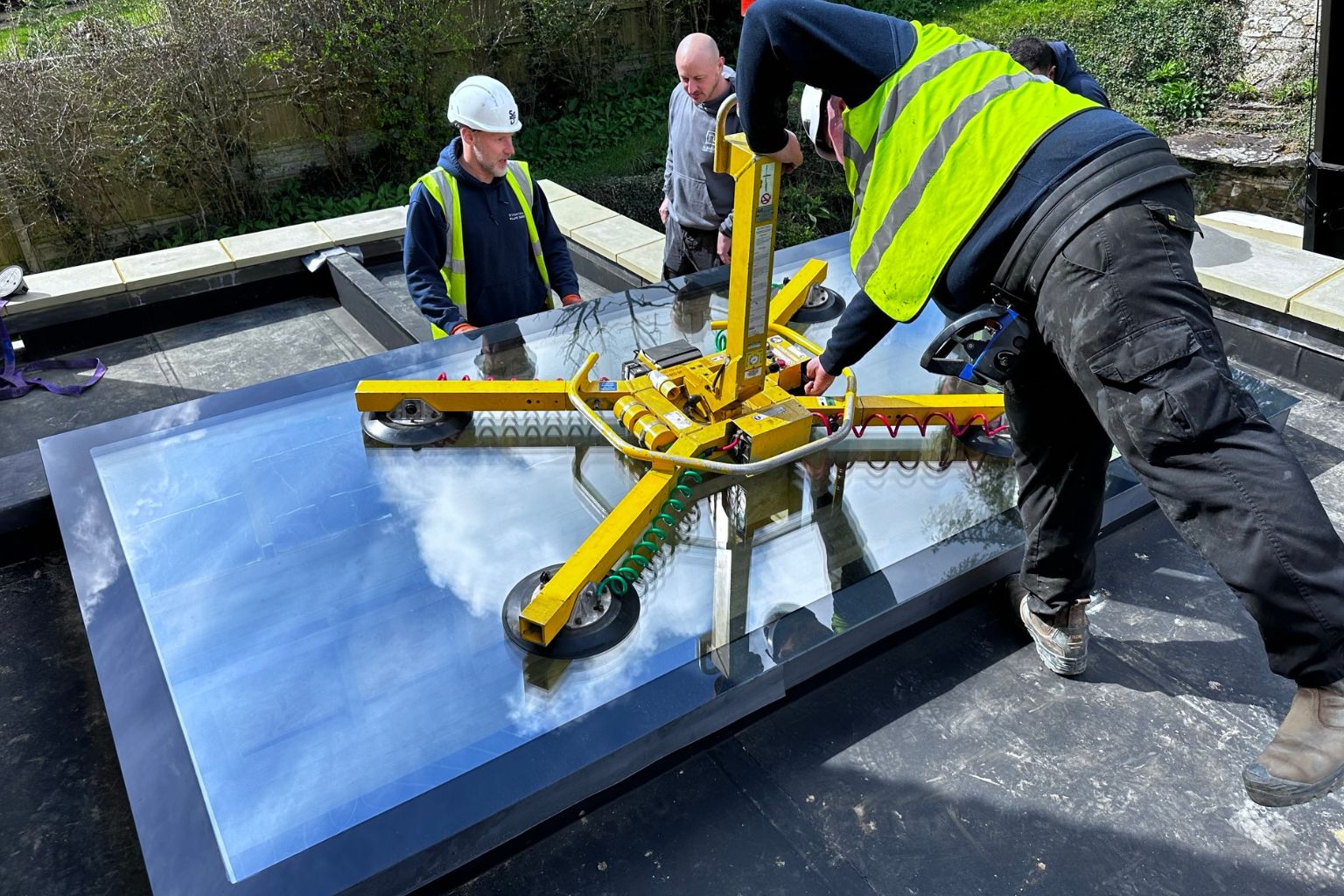
Fire escape roof windows building regulations require that any opening in the roof, such as a skylight, does not increase the risk of fire spread. This involves using materials that meet specific fire resistance standards and ensuring that the skylight installation does not obstruct escape routes or access for firefighting.
Direct Quote:
Fire safety: Approved Document B, Requirement B1 Means of warning and escape: "The building shall be designed and constructed so that there are appropriate provisions for early warning of fire, and appropriate means of escape in case of fire from the building to a place of safety outside the building capable of being safely and effectively used at all material times."
These points highlight the critical aspects of fire safety that must be considered when installing skylights, ensuring they contribute to the overall fire safety strategy of a building:
Fire Resistance:
- Skylights must meet specific fire resistance standards to prevent the spread of fire.
- Materials used in the construction of skylights should be non-combustible or have a limited combustibility rating.
Location and Separation:
- Skylights installed near property boundaries must be designed to reduce the risk of fire spreading to adjacent buildings.
- The placement of skylights should not compromise the fire separation between different areas of a building.
Escape Routes:
- Skylights must not obstruct designated escape routes in the event of a fire.
- Any skylight installed in an escape route must allow for safe passage and not hinder evacuation efforts.
Automatic Opening Vents (AOVs):
- In some cases, skylights can be designed as Automatic Opening Vents to aid in smoke ventilation.
- AOVs must comply with specific operational and performance criteria to ensure they function effectively during a fire.
Glazing and Safety:
- The glazing used in skylights must be fire-rated where necessary, especially if it is part of a fire-resisting roof or wall.
- Safety glazing should be used to prevent injury from broken glass during a fire.
Certification and Compliance:
- Skylights must be installed and maintained according to manufacturer guidelines to ensure continued compliance with fire safety regulations.
- Proper certification and documentation should be obtained to verify that the skylight meets all relevant fire safety standards.
While skylights offer numerous benefits such as enhanced natural lighting and improved ventilation, ensuring their compliance with fire safety regulations is essential. Proper selection of materials, strategic placement, and adherence to fire resistance standards are critical to maintaining the safety and integrity of your home. By following the guidelines and regulations, you can enjoy the advantages of skylights without compromising on safety.